Tange-e-Kalaghou Geosite
A Story of Ancient Oceans in the Heart of the Mountain
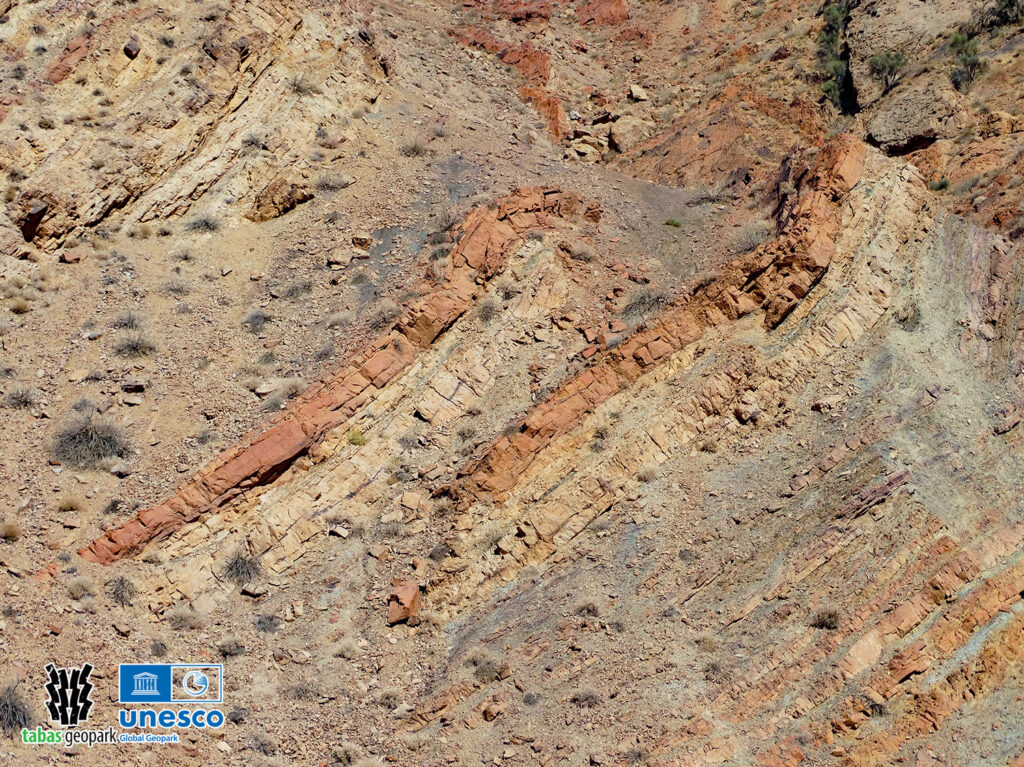
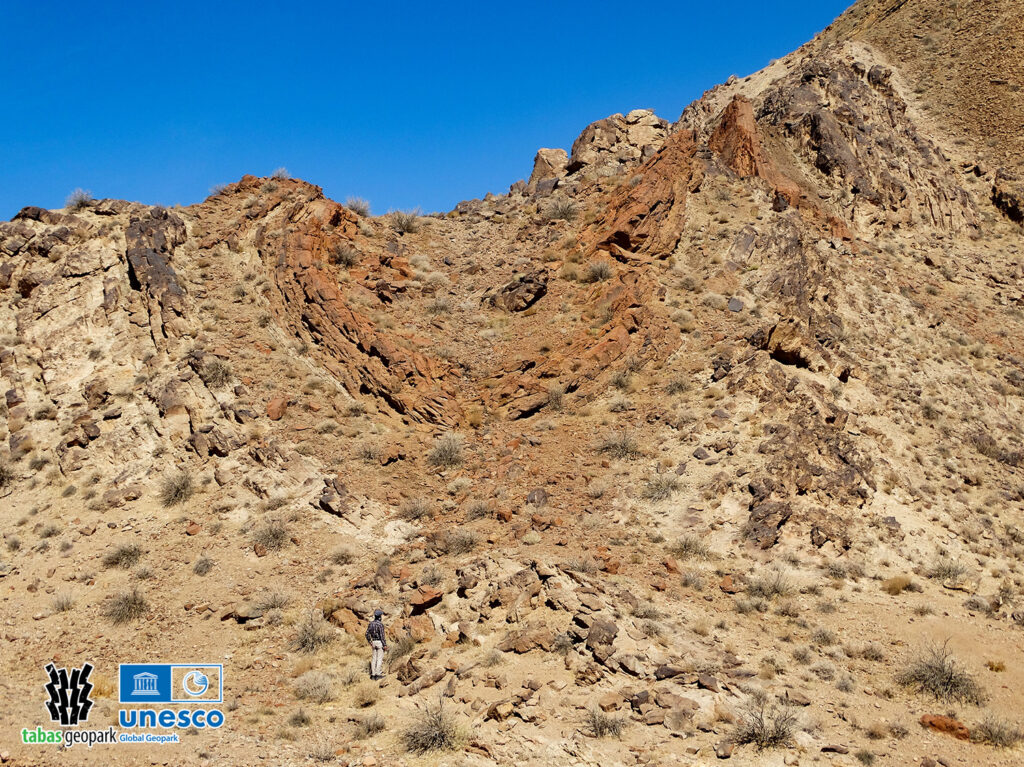
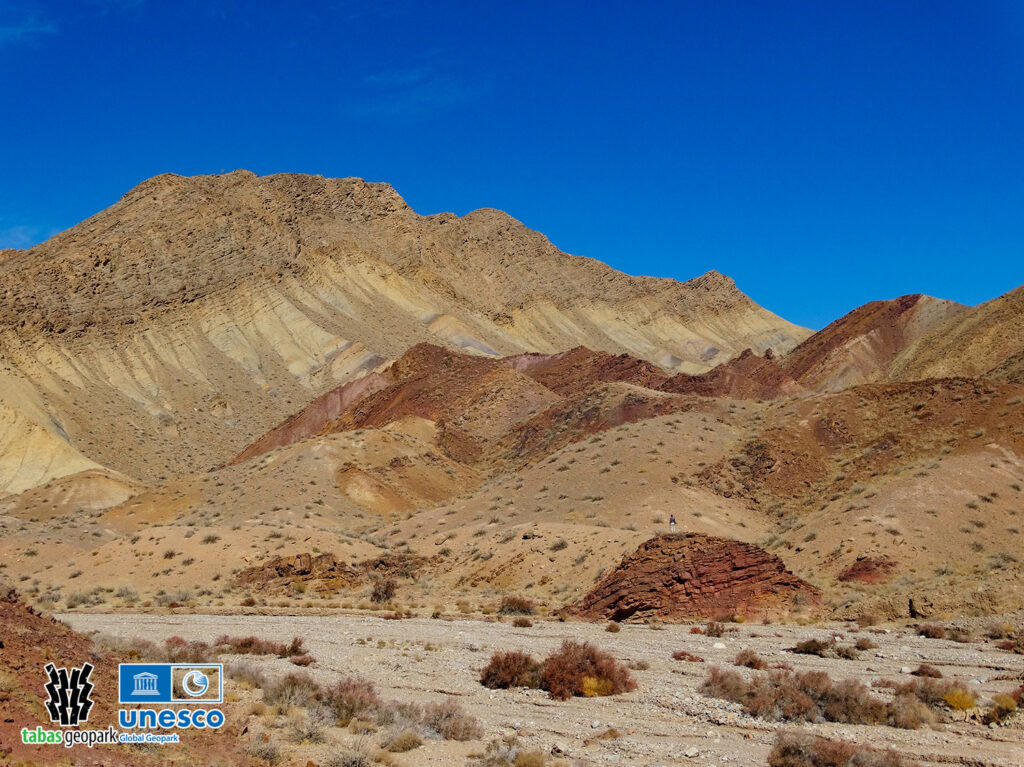
Tangeh-e-Kalaghou (Tangeh-e meaning “narrow valley” in the local language), located in southeastern Tabas along the road connecting Tabas to the villages of Sarand and Modar, is a remarkable geological site that preserves one of the most valuable chapters of Earth’s history. This approximately 3-km-long valley contains exceptional rock outcrops dating from the Middle Devonian to the Early Carboniferous periods (approximately 330–385 million years ago) and is considered one of the important geological sites in Iran.
In the distant past, this region was part of a vast marine environment located along the margin of the supercontinent Gondwana. The diversity of sedimentary rocks and geological structures of Tange-e-Kalaghou tells the story of continuous changes in ancient seas, continents, and the internal forces that have shaped the Earth over time.
One of the most significant features of this geosite is the presence of evidence related to the Hangenberg Event, a global event that occurred approximately 359 million years ago. This event was associated with severe oxygen depletion in the oceans, leading to major changes in marine ecosystems and the extinction of several groups of organisms. The dark, organic-rich layers exposed in this area are remnants of this critical period in the history of life on Earth.
Tange-e-Kalaghou is not merely a natural landscape; it is a geological archive of climate changes, biological evolution, and continental movements. A visit to this geosite offers a journey through deep time, revealing the story of millions of years of transformation that have shaped our planet.